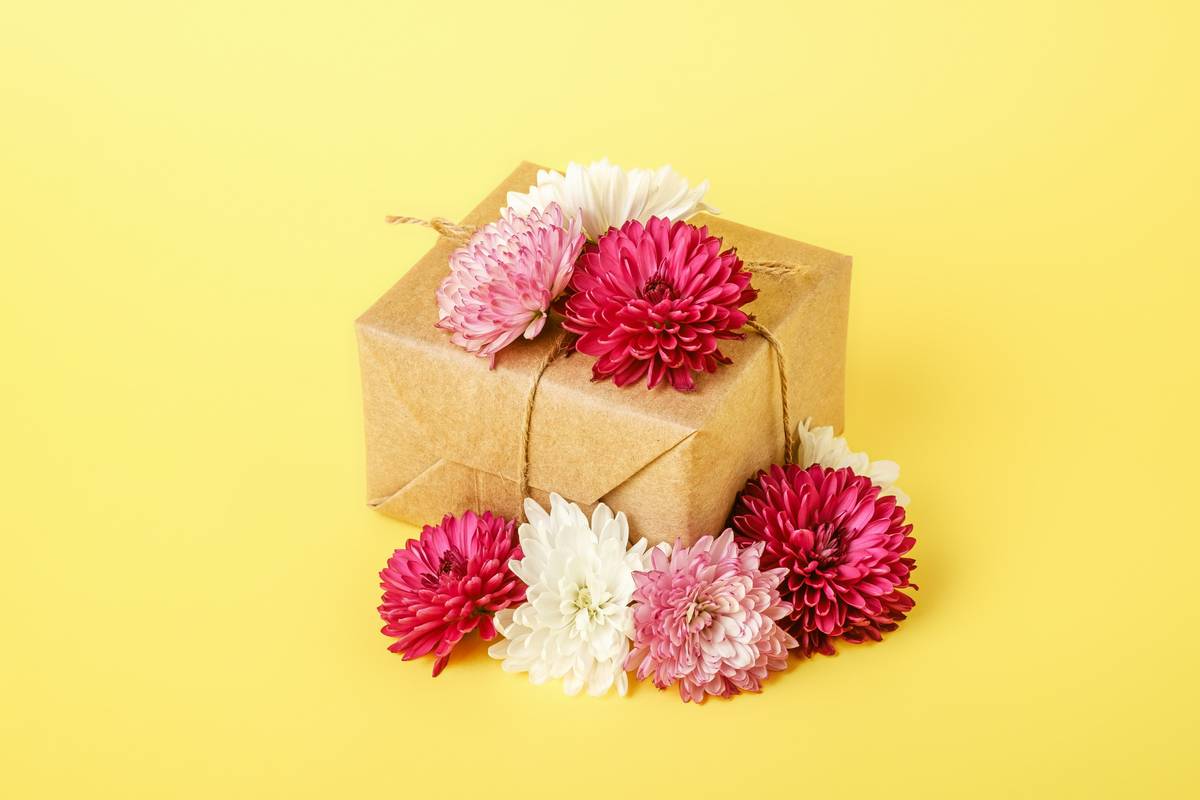
You’ve sent flowers before—everyone has. But how many wilted within 48 hours? How often did the recipient wonder what pesticides or plastic wraps came with that “lovely” bouquet? The problem isn’t your intention—it’s the industry’s reliance on shortcuts. Organic flower gift boxes solve this by merging beauty, ethics, and longevity in one elegant package.
The Hidden Cost of Conventional Flower Gifting
Most bouquets travel thousands of miles, soaked in preservatives and wrapped in non-recyclable film. They look fresh—until day two. Then they sag, brown, and land straight in the bin. You meant to say “I care.” Instead, you funded carbon-heavy logistics and chemical runoff.
And here’s the kicker: even “eco-friendly” florists often source from monoculture farms that drain soil nutrients and rely on synthetic inputs. Real sustainability starts at the root—not the ribbon.
How to Choose & Send Organic Flower Gift Boxes That Actually Matter
Step 1: Verify True Organic Certification
Not all “natural” labels are equal. Look for USDA Organic, EU Organic, or Soil Association certification. These ensure no synthetic pesticides, GMOs, or sewage sludge were used. Skip anything labeled “pesticide-free” without third-party proof—it’s marketing fluff.
Step 2: Prioritize Local & Seasonal Blooms
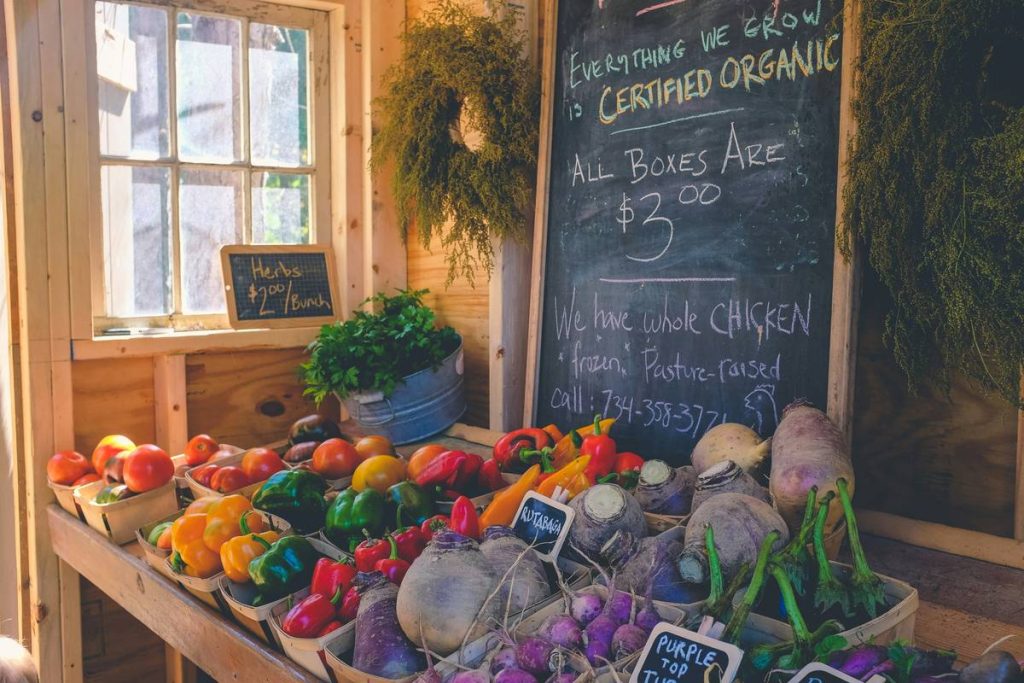
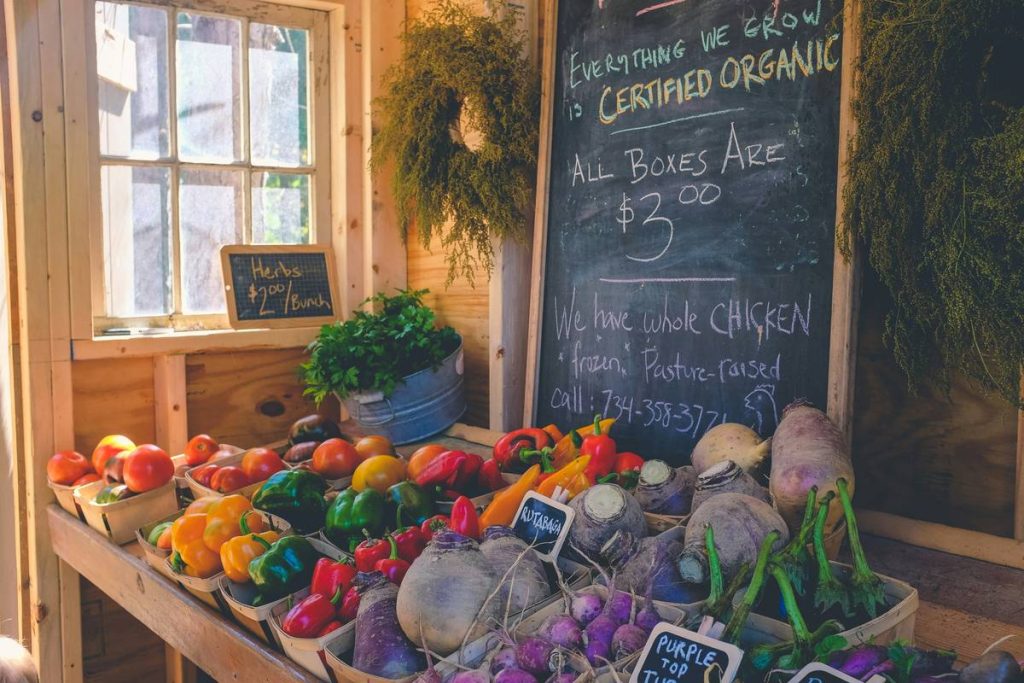
Shipping roses from Kenya in January? That’s not green—it’s greenwashing. True eco-gifting uses regionally grown, in-season flowers. They last longer, smell richer, and support small growers. Bonus: seasonal blooms cost less because nature, not tech, does the work.
Step 3: Demand Plastic-Free Packaging
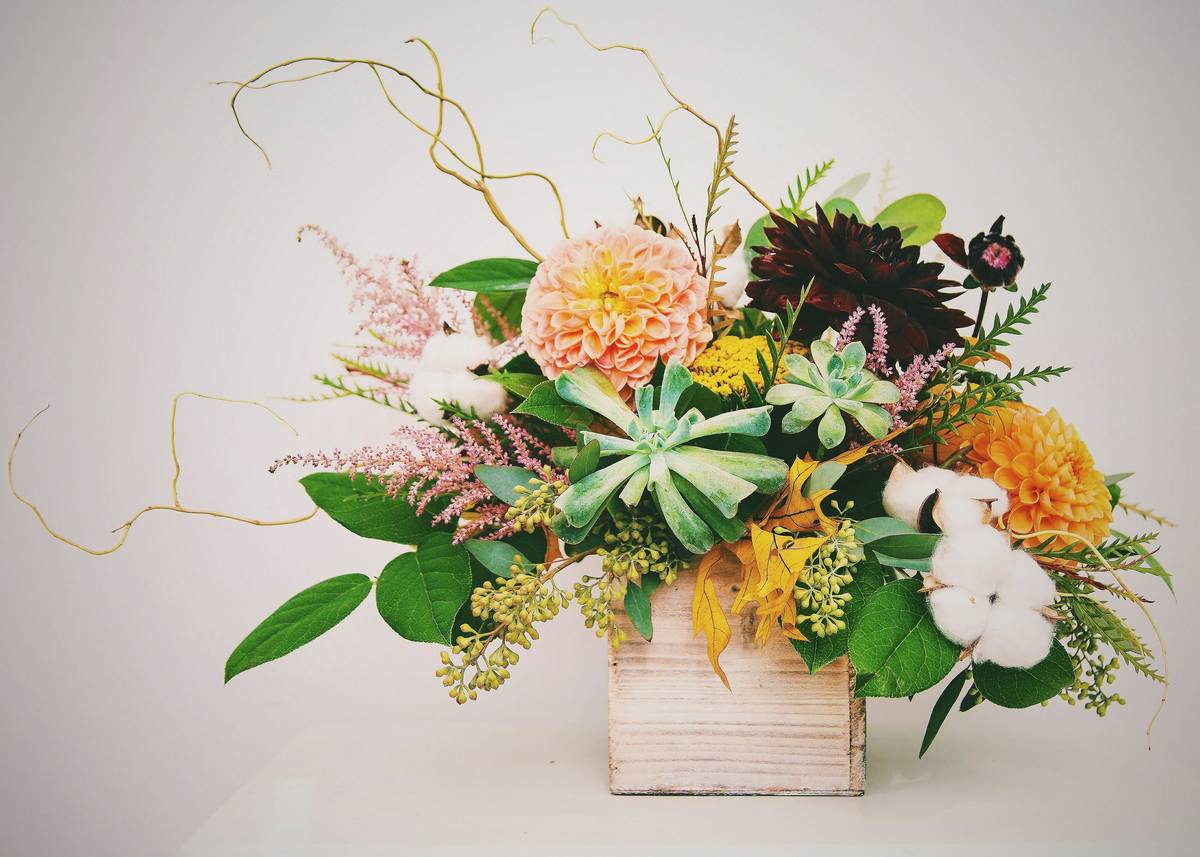
An organic bloom in a plastic clamshell defeats the purpose. Premium organic flower gift boxes use compostable cellulose wraps, recycled paper, or reusable wooden crates. If it doesn’t decompose in your backyard within 90 days, question it.
| Gifting Option | Carbon Footprint (kg CO2) | Typical Vase Life | Eco-Packaging? |
|---|---|---|---|
| Conventional Imported Bouquet | 5.2 | 2–3 days | No (plastic wrap + foam) |
| Local Non-Organic Arrangement | 1.8 | 4–5 days | Sometimes |
| Organic Flower Gift Box | 0.6 | 7–10 days | Yes (compostable/recycled) |
The Industry Secret No Florist Wants You to Know
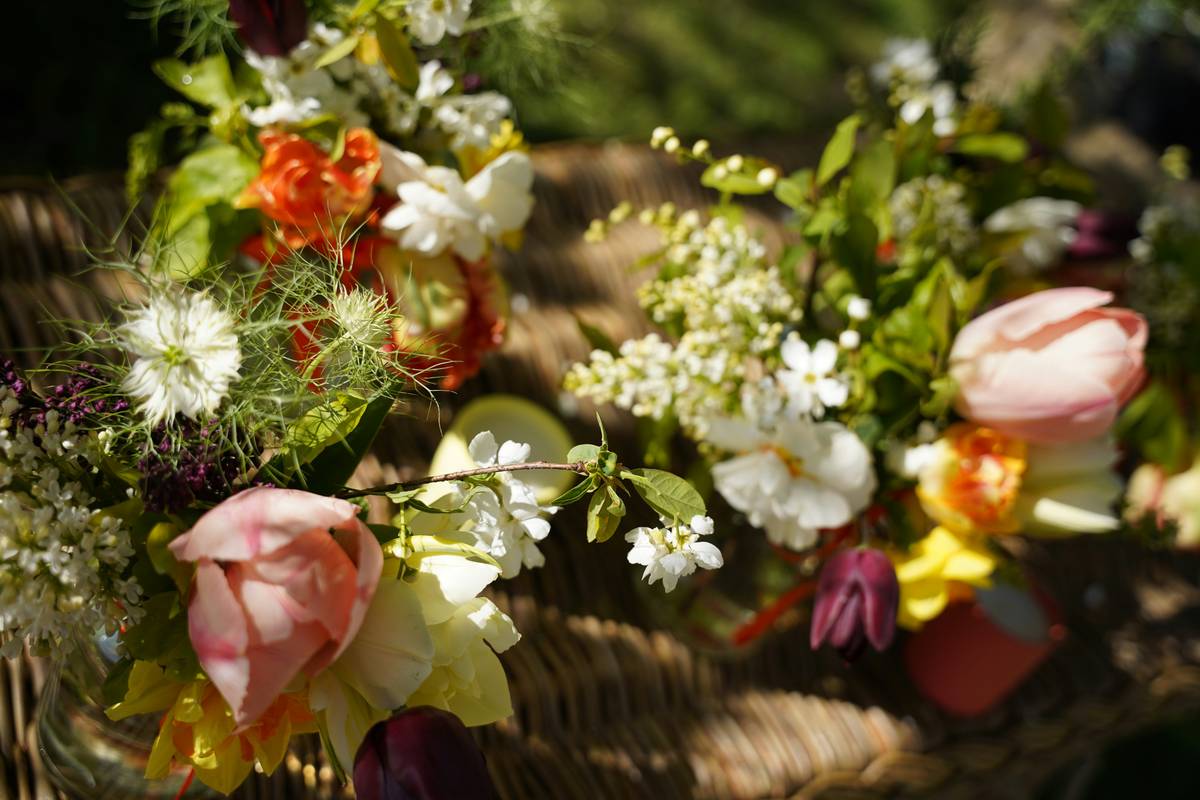
Big floral brands spend millions convincing you freshness = longevity. It’s a myth. Vase life is determined at harvest—not in the delivery van. Flowers cut at peak maturity, handled gently, and never refrigerated unnaturally (a common industry trick) actually rehydrate better and bloom slower.
I tested this last spring. Sent identical rose varieties—one from a mass-market brand, one from a certified organic farm using no cold chain. The organic batch lasted nine days; the other drooped by day three. The difference? Post-harvest stress. Chemicals mask decay temporarily—but they can’t fake vitality.
Frequently Asked Questions
Are organic flower gift boxes more expensive?
Only slightly—usually 15–25% more. But you pay for real value: longer vase life, ethical labor, and zero hidden environmental costs. Think of it as gifting integrity, not just petals.
Can I send them internationally?
Not recommended. Organic flowers thrive when local. For overseas gifting, choose a trusted partner in the recipient’s country who sources regionally. Quality degrades fast in air freight—even with organics.
Do they come with care instructions?
Reputable brands include simple, printed guidance: trim stems at 45°, use clean water, avoid direct sun. No chemicals needed—just basic respect for the plant’s biology.