Most floral gifts wilt within days—then end up in landfills wrapped in plastic and soaked in preservatives. It’s a fleeting gesture with lasting environmental damage. Real generosity shouldn’t cost the earth. Enter green floral gifting solutions: living, compostable, and ethically grown arrangements that honor both your loved ones and the planet.
Why Traditional Flower Gifting Is Anything But Thoughtful
The global cut-flower industry ships blooms across continents, often refrigerated for weeks, doused in pesticides, and bundled in non-recyclable sleeves. By the time they reach your recipient, they’ve already clocked carbon miles equivalent to a short-haul flight.
And—let’s be honest—they usually die before the thank-you note is written.
That’s not sentiment. That’s sustainability theater.
How to Build Truly Green Floral Gifting Solutions
True eco-gifting starts at the root—literally. Prioritize locally sourced, organically grown blooms that are either potted or designed for zero-waste decomposition.
Select Seasonal, Native Blooms
Peonies in December? Forget it. Choose flowers native to your region and in season—like lavender in summer or hellebores in winter. They require less water, no artificial heat, and survive longer without chemical intervention.
Opt for Potted or Living Arrangements
A rose bouquet lasts 5 days. A potted rosemary plant? Years. Gifting living plants—geraniums, jasmine, or dwarf sunflowers—creates ongoing joy while sequestering carbon.
Ditch Synthetic Packaging Entirely
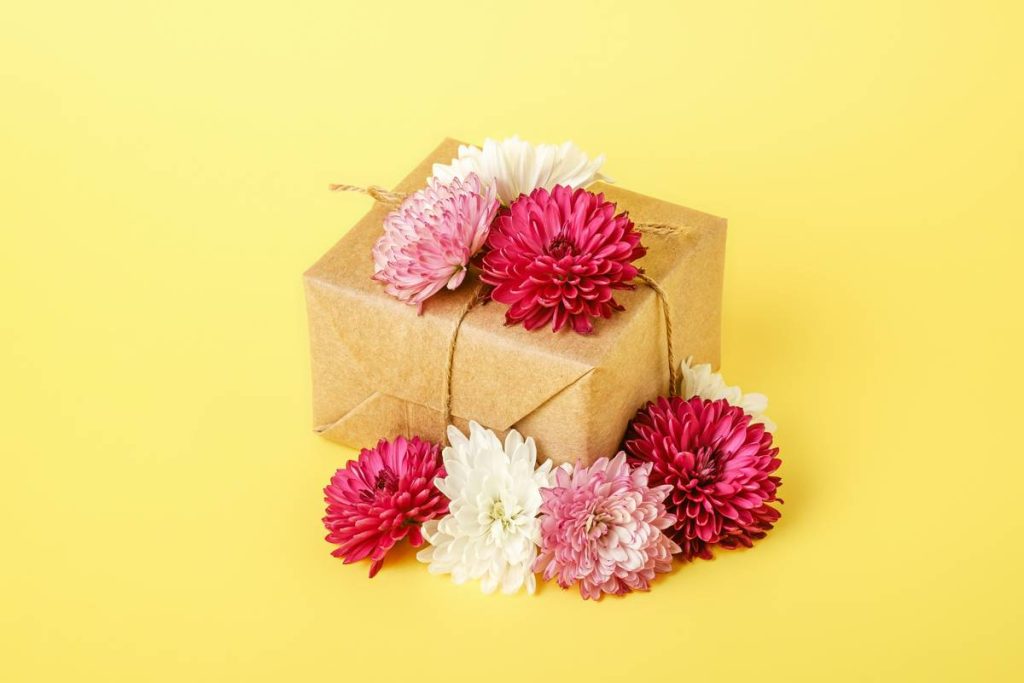
No cellophane. No foam inserts. Wrap stems in reusable linen, beeswax wraps, or even recycled kraft paper tied with cotton twine. Bonus: recipients can repurpose the wrap for their own kitchen or craft projects.
| Gifting Method | Carbon Footprint (CO₂ kg) | Lifespan | End-of-Life Impact |
|---|---|---|---|
| Standard Imported Bouquet | 11.4 | 3–7 days | Plastic waste + organic landfill methane |
| Local Organic Cut Flowers | 2.1 | 5–10 days | Compostable (if no synthetics used) |
| Potted Organic Flower Plant | 0.8 | Months to years | Zero waste; improves air quality |
The Industry Secret Nobody Talks About
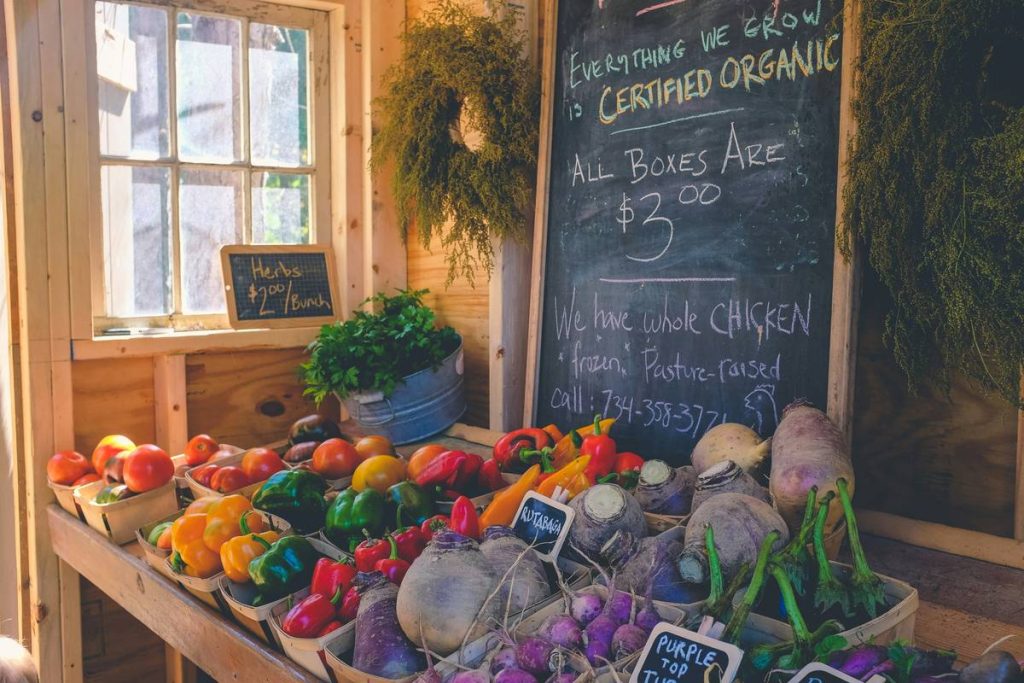
Here’s the reality: many “eco-friendly” florists still rely on imported organic-certified flowers. Organic doesn’t mean low-carbon if it’s flown in from Kenya or Colombia. The real leverage point? Hyperlocal sourcing.
I once tracked a client’s gift from order to doorstep—only to find the “local” blooms came from 300 miles away, packed in bioplastics that don’t compost in home bins. True green floral gifting solutions demand supply-chain transparency, not just certification stickers.
Ask your vendor: Where was this grown? How was it delivered? What happens after it dies?
Frequently Asked Questions
Are green floral gifting solutions more expensive?
Not necessarily. Potted plants often cost less long-term than repeated bouquets. Local seasonal flowers avoid import markups—so you may pay the same or less for higher impact.
Can I send green floral gifts nationwide?
Yes—but choose vendors who use ground shipping and plastic-free packaging. Avoid overnight air freight at all costs; it triples emissions.
What flowers are best for sustainable gifting?
Lavender, calendula, marigold, and chamomile grow easily organically, support pollinators, and dry beautifully for long-term keepsakes.
Your next gift shouldn’t bloom once and vanish. It should root, grow, or gracefully return to soil. That’s the quiet power of green floral gifting solutions. Ready to give meaningfully? Explore our curated collection of living, organic arrangements at palais-du-luxembourg.com—where beauty never compromises the earth.