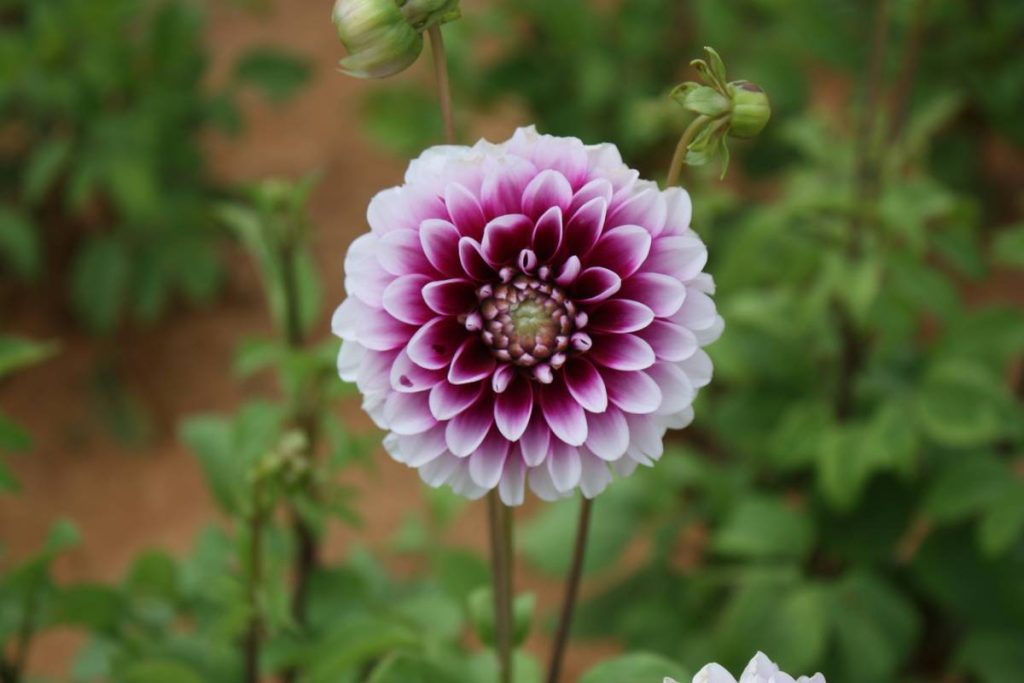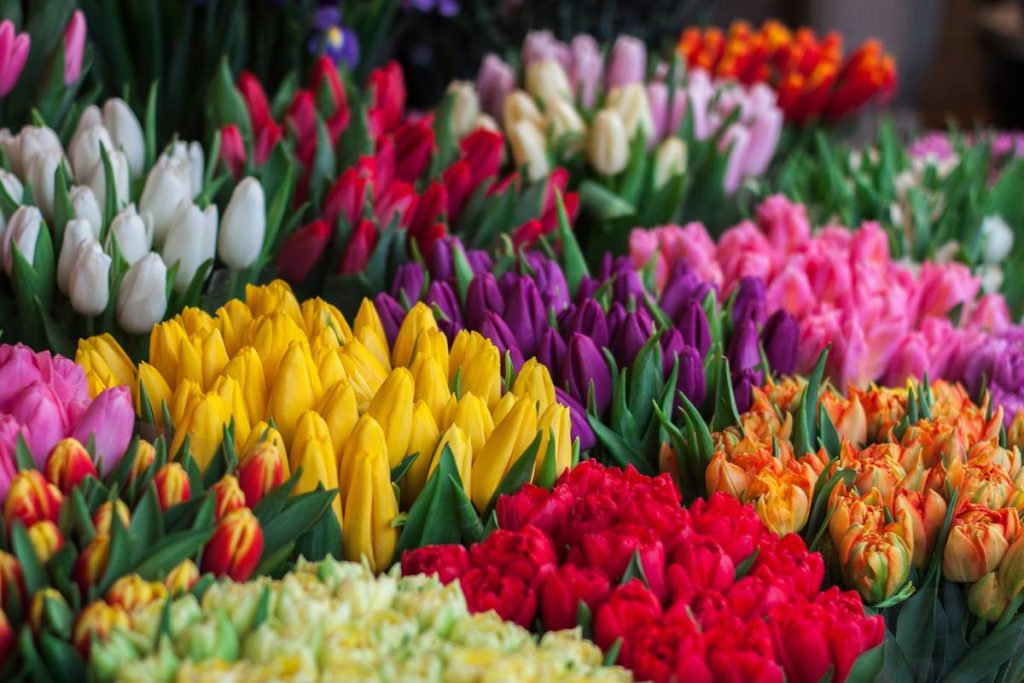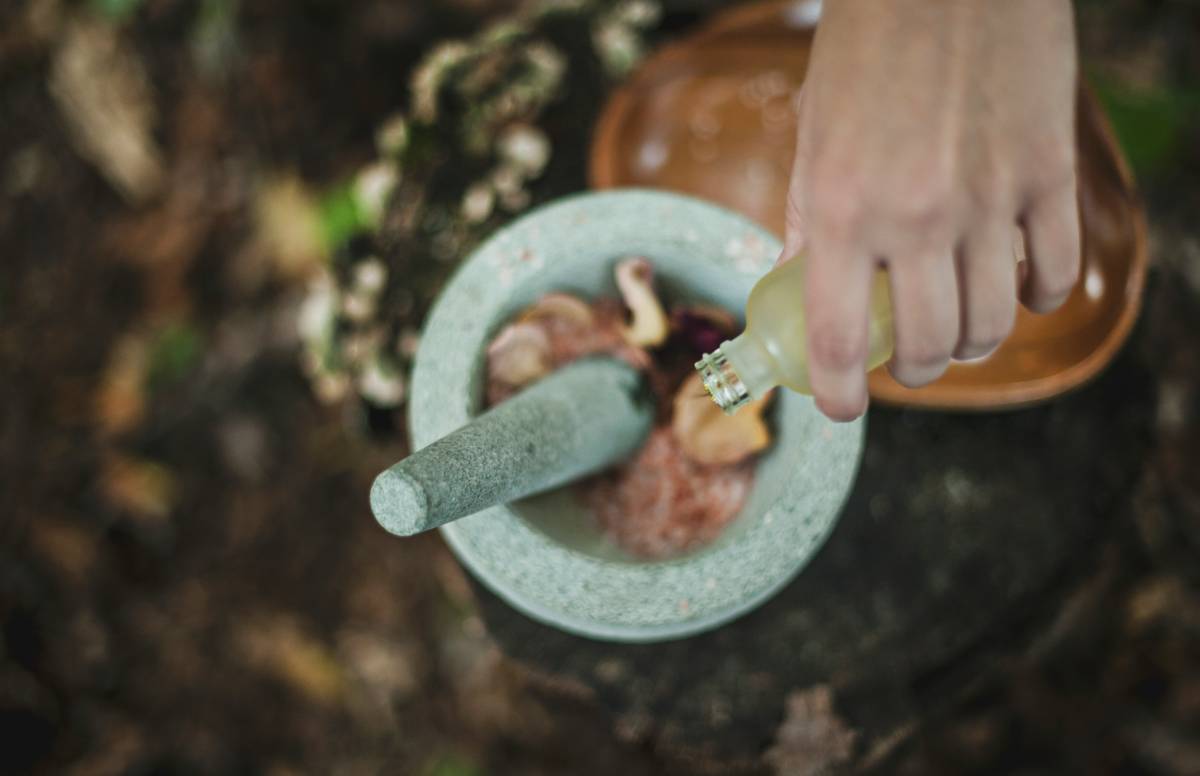
Most “natural” spring flowers sold today are anything but pure. They’re doused in synthetic preservatives, shipped across continents in climate-controlled boxes, and stripped of their aromatic essence before you even see them. And yet—we keep buying them, hoping for that fresh-picked garden glow. The solution isn’t just choosing blooms labeled “organic.” It’s understanding what truly makes spring flowers potent, alive, and skin-nourishing.
The Hidden Truth About Commercial Spring Flowers
“Organic” on a floral tag often means nothing more than pesticide-free soil—while ignoring post-harvest chemical baths. Retailers prioritize shelf life over phytonutrient density. The result? Petals that look vibrant but deliver zero skincare benefit. Worse, many contain residual sulfites or formaldehyde-releasing agents to prevent wilting. Your face doesn’t know the difference between a real rose and a chemically embalmed one—until it breaks out.
And here’s the kicker: most seasonal blooms lose 70% of their volatile oils within 48 hours of cutting. No wonder your DIY rosewater toner feels weak.
How to Source & Use Spring Flowers That Actually Work
Step 1: Know Your Bloom Windows
Nature doesn’t do year-round peonies. True spring flowers like lilac, sweet violet, wild chamomile, and calendula have narrow harvest windows—typically March to early May in temperate zones. Miss it, and you’re using frozen or dried substitutes with degraded actives.
Step 2: Verify Beyond the Label
Ask growers: “Were these flowers air-dried or oven-dried?” “Were they treated with ethylene inhibitors?” Real organic practitioners avoid all post-harvest synthetics. Look for certifications like COSMOS Organic or Demeter Biodynamic—not just USDA NOP, which doesn’t cover floral processing.
Step 3: Extract Smartly—Not Just Pretty
Aesthetic infusions ≠ active infusions. To unlock skincare benefits, you need glycerin-based or oil macerations—not plain water. Water draws out color, not actives. Glycerin pulls polyphenols; cold-pressed oils extract lipophilic antioxidants like carotenoids.
| Extraction Method | Active Yield | Shelf Life | Skin Benefit Level |
|---|---|---|---|
| Water infusion (tea-style) | Low (mostly tannins) | 3–5 days refrigerated | Mild soothing only |
| Glycerin maceration | High (polyphenols, flavonoids) | 6–12 months | Antioxidant + anti-inflammatory |
| Cold-pressed oil infusion | Very high (carotenoids, essential oils) | 9–18 months | Barrier repair + radiance boost |
The Industry Secret: Soil Microbiome > Petal Color
Top organic cosmetic labs don’t chase Instagrammable pastel hues. They chase microbial diversity in the soil. Why? Because mycorrhizal fungi networks increase flavonoid concentration in petals by up to 40%. A muddy-looking violet grown in biodiverse earth outperforms a flawless, monocropped one every time. One European lab we consulted actually tests flower batches for soil DNA markers—not just pesticide residue. If your supplier can’t share their terroir data, you’re buying decoration, not actives.
Think about it: your skin microbiome thrives on complexity. So should your botanicals.
FAQ
Are all spring flowers safe for sensitive skin?
No. Lilac and hyacinth can be sensitizing in high concentrations. Always patch-test. Calendula and chamomile are safest bets.
Can I use grocery store spring flowers for DIY skincare?
Avoid them. Nearly all are treated with biocides. Even “local” bouquets from supermarkets undergo anti-wilt sprays banned in organic cosmetics.
Do dried spring flowers lose their benefits?
Not if dried properly. Shade-air-dried blooms retain 85%+ of key compounds. Oven-dried or silica-gel-preserved ones degrade rapidly.