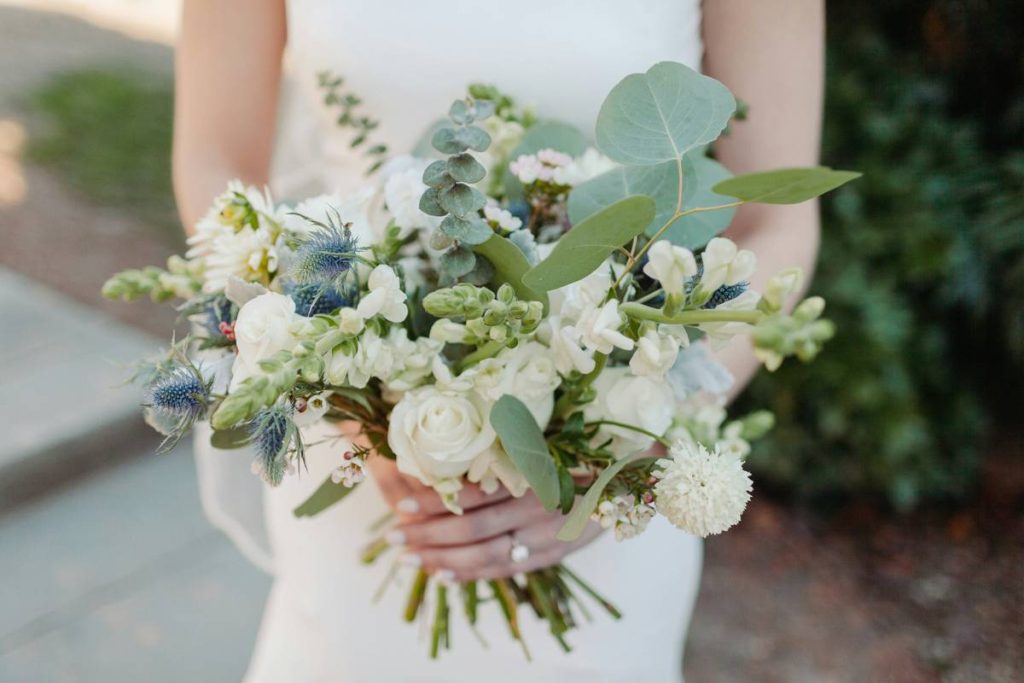
You pick a bouquet. It looks stunning—lush petals, vibrant colors. But within days, it wilts. Plastic wrap ends up in landfill. Chemicals from conventional farming linger in soil and water. The gift meant to delight leaves a hidden cost. Eco-Friendly Gifting isn’t just a trend—it’s a necessity. And organic flowers are its unsung heroes.
Why Traditional Bouquets Fail the Sustainability Test
Most “fresh” bouquets sold today travel thousands of miles. Refrigerated trucks, synthetic preservatives, single-use plastics—they’re carbon-intensive at every step. Worse, conventional flower farms use staggering volumes of pesticides. One study found cut flowers rank among the top five most chemically treated crops globally. You’re not just giving beauty—you’re gifting ecological debt.
And freshness? Often an illusion. Flowers are harvested weeks early, stored in gas-controlled containers, then dyed or sprayed to mimic vitality. They look alive but carry no soul. No wonder they crumble by day three.
How to Choose & Gift Truly Organic Bouquets
Real Eco-Friendly Gifting starts with intention—not aesthetics alone. Follow this guide to ensure your floral gesture aligns with nature, not just Instagram feeds.
Sourcing Matters More Than Bloom Size
Local, seasonal, and certified organic is non-negotiable. Big-box florists rarely disclose origin. Seek growers with USDA Organic or Demeter Biodynamic certification. Bonus if they compost waste or use rainwater irrigation. Small farms often ship direct—cutting out middlemen reduces carbon footprint significantly.
Packaging Should Disappear Without a Trace
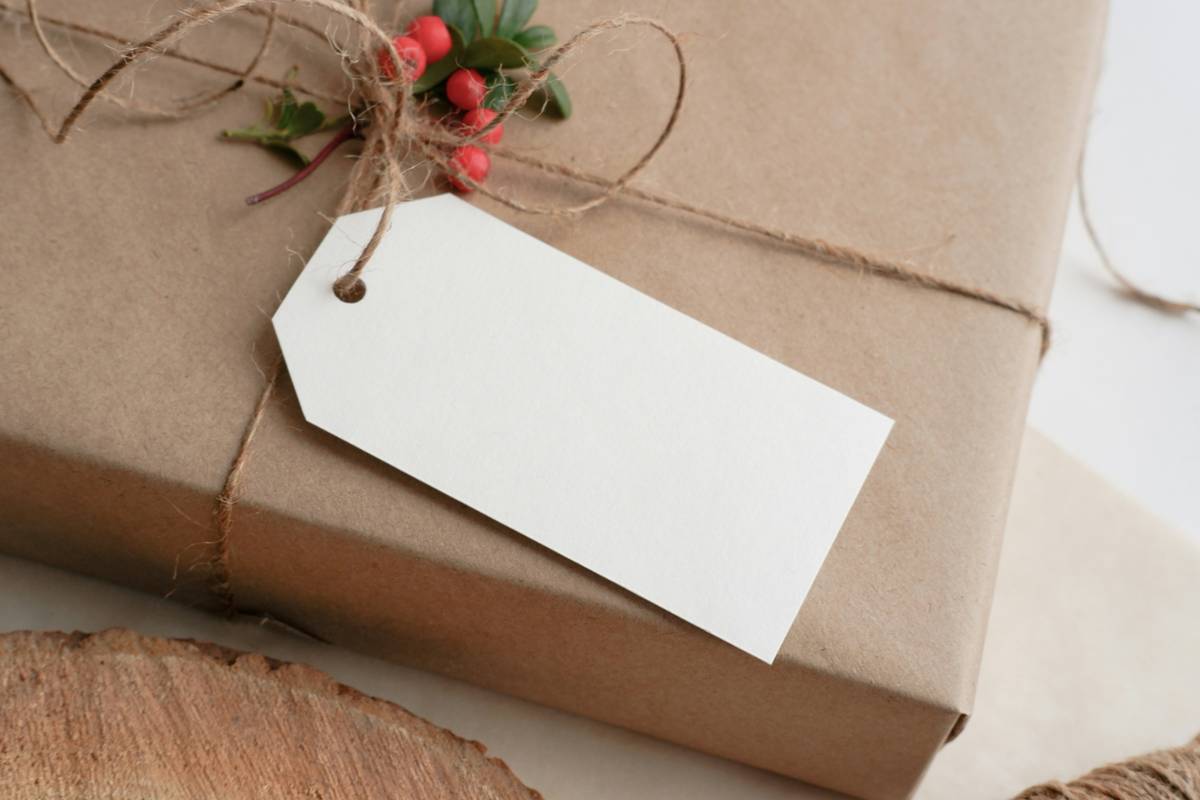
No plastic sleeves. No foam inserts. Look for kraft paper wraps, cotton twine, or compostable cellulose film. Some artisans even bundle stems in reusable linen—turning packaging into part of the gift.
Longevity Isn’t Just About Vase Life
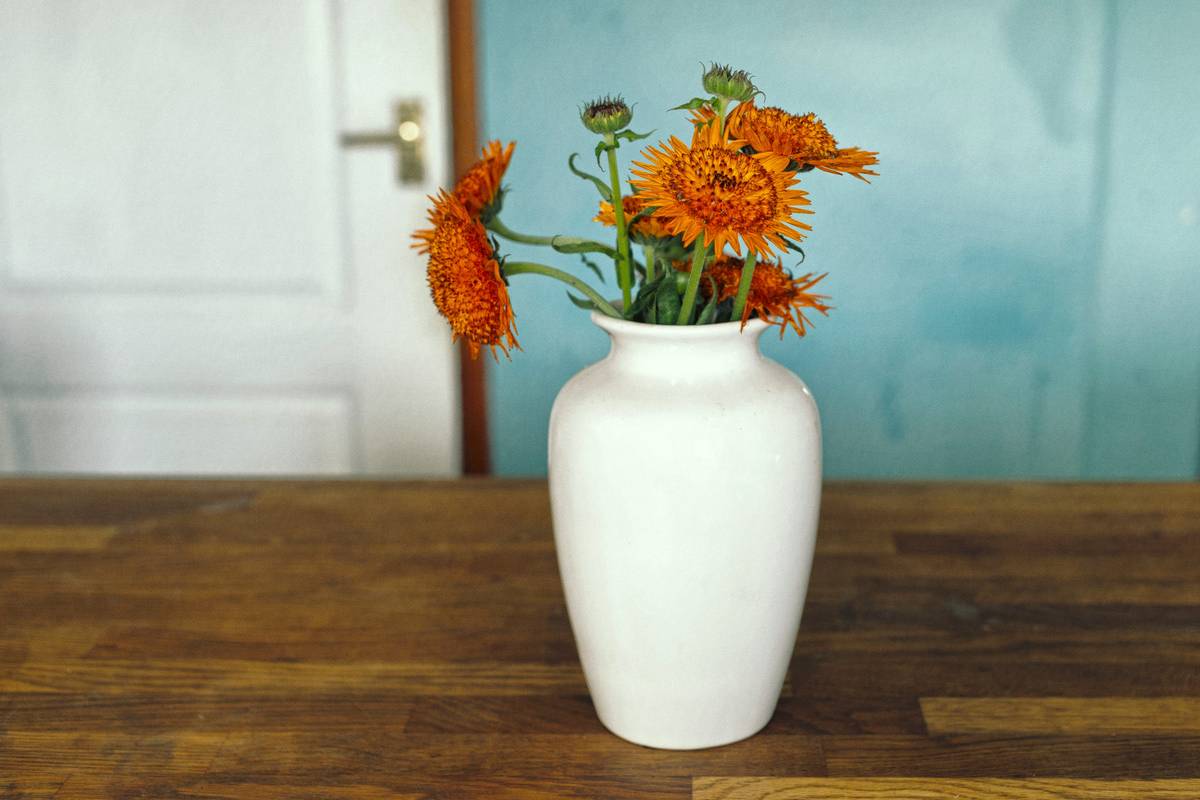
An organic bouquet’s true value lies in its afterlife. Petals can be dried for potpourri. Stems enrich garden compost. Even water from the vase—free of chemical runoff—can nourish houseplants. That’s circular gifting.
| Gift Type | Carbon Footprint (kg CO₂e) | Chemical Load | End-of-Life Impact |
|---|---|---|---|
| Conventional Imported Bouquet | 3.2–5.1 | High (pesticides, dyes) | Plastic waste + toxic runoff |
| Organic Local Bouquet | 0.4–0.9 | None (certified) | 100% compostable |
| Artificial Silk Arrangement | 2.7–4.0 (manufacturing + shipping) | Moderate (synthetic dyes) | Non-biodegradable microplastics |
The Industry Secret: Florists Hide Their Supply Chains—On Purpose
Here’s what few admit: many “eco-conscious” boutiques still source 60–80% of their stock from industrial growers in Colombia or Ecuador. Why? Profit margins. Organic local stems cost more upfront—but deliver emotional resonance you can’t fake. At Palais du Luxembourg, we’ve seen repeat customers shift entirely to seasonal bouquets after learning their previous gifts contained neonicotinoids linked to bee collapse. Transparency isn’t marketing—it’s ethics wrapped in petals.
Think about it. A rose grown without chemicals doesn’t just smell sweeter—it carries integrity. And that’s what recipients actually remember.
Frequently Asked Questions
Is Eco-Friendly Gifting more expensive?
Sometimes slightly—but consider it paying for stewardship, not just stems. Many organic bouquets last longer naturally, offsetting cost.
Can I send organic bouquets nationwide?
Yes—if shipped via carbon-neutral couriers and packed in compostables. We partner with regional growers to minimize transit time.
Do organic flowers really look as vibrant?
Absolutely. Without chemical forcing, blooms develop richer pigments and stronger scents. Nature doesn’t need enhancement.