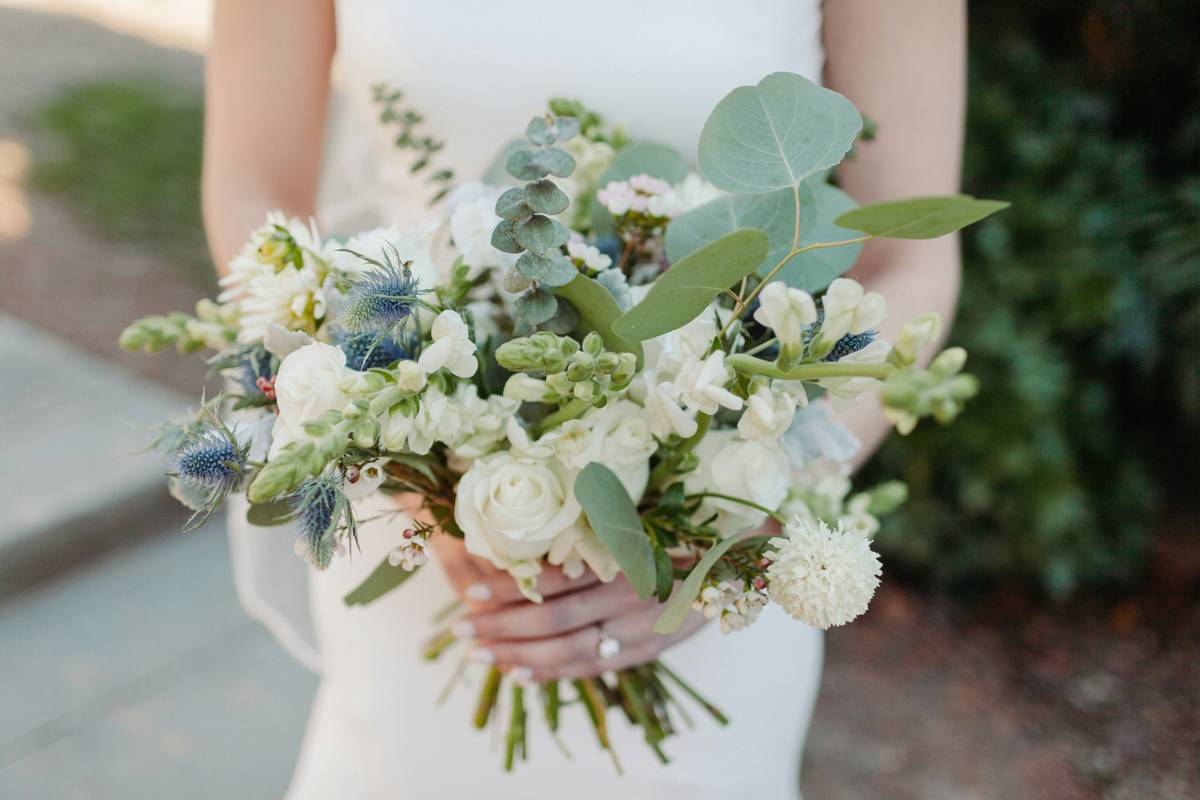
Most “natural” bouquets sold today are anything but. Dyed, chemically preserved, or flown in from climate-controlled greenhouses—these arrangements lack soul, scent, and sustainability. The result? Faded petals by day two and a carbon footprint bigger than your morning coffee run. But what if your bouquet could tell the story of the earth’s rhythm? Enter Seasonal Blooms—not just pretty flowers, but living markers of time, place, and ecological integrity.
The Illusion of Year-Round “Natural” Beauty
Florists love promising peonies in December or gardenias in March. Technically possible? Sure. Ethical or authentic? Hardly. Forcing blooms out of season demands massive energy inputs—heat lamps, synthetic fertilizers, long-haul refrigerated transport. And here’s the industry truth no one advertises: off-season flowers often have weaker stems, muted fragrance, and half the vase life. They’re bred for durability, not delight.
You’re not buying beauty. You’re buying convenience wrapped in greenwashing.
How to Build a True Seasonal Blooms Bouquet (Step-by-Step)
Creating a genuinely organic arrangement isn’t about fancy techniques—it’s about restraint, awareness, and working with what the land offers *right now*. Start local. Talk to farmers. Observe your own backyard.
Spring: Delicate, Ephemeral, Full of Hope
Think lilac, ranunculus, sweet pea, and flowering quince. These thrive in cool, moist soil and wilt fast in heat—so handle gently and design quickly. Their magic lies in their brevity.
Summer: Bold, Fragrant, Unapologetically Alive
Zinnias, sunflowers, lavender, and cosmos dominate. Thick stems, drought tolerance, and vibrant pigments make them ideal for hand-tied bouquets that last over a week without preservatives.
Fall: Earthy Tones, Textural Depth, Quiet Elegance
Dahlias, scabiosa, dried grasses, and marigolds bring warmth. Bonus: many double as edible or medicinal plants—blurring the line between bouquet and pantry.
Winter: Subtle Structure, Resilient Greenery
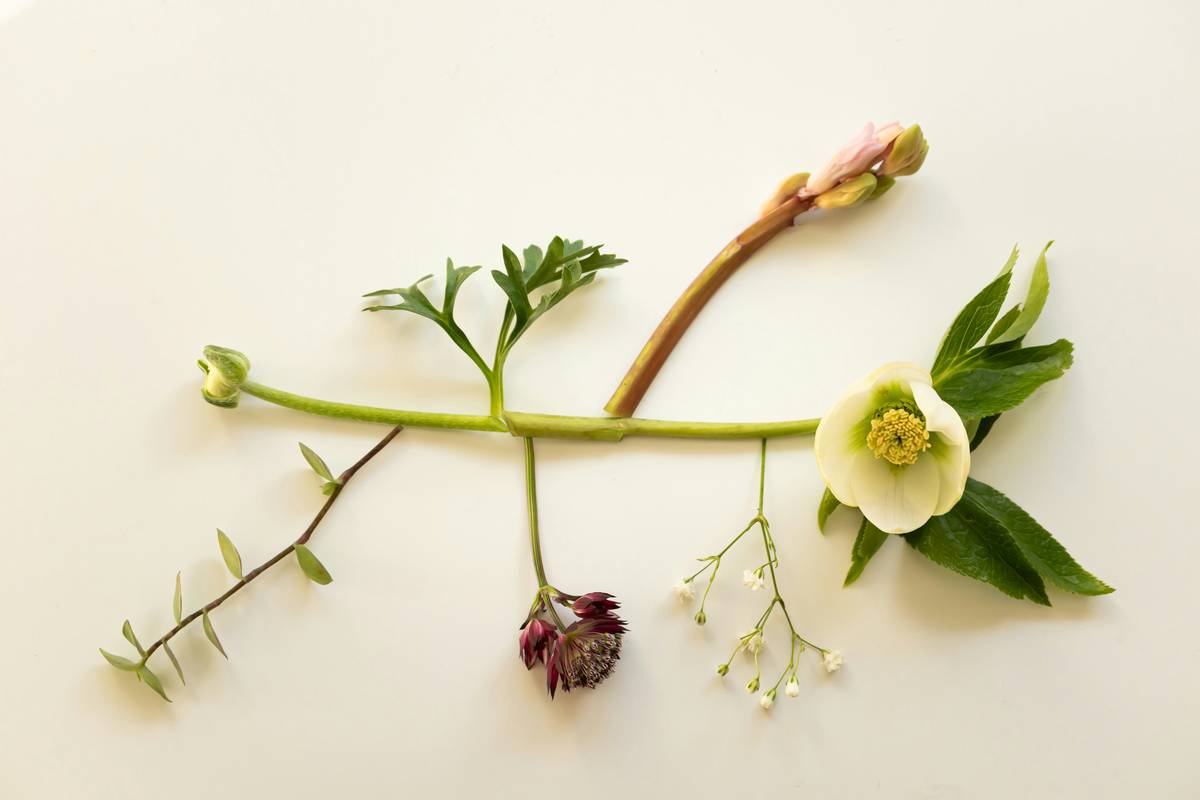
Hellebores, witch hazel, pine boughs, and dried seed pods. Yes, winter has blooms—if you know where to look. They whisper rather than shout, demanding slower appreciation.
| Season | Top 3 Organic Flowers | Avg. Vase Life (Days) | Sustainability Score (1–5) |
|---|---|---|---|
| Spring | Lilac, Ranunculus, Sweet Pea | 4–6 | 4.5 |
| Summer | Zinnia, Lavender, Cosmos | 7–10 | 5 |
| Fall | Dahlia, Scabiosa, Marigold | 6–8 | 4.7 |
| Winter | Hellebore, Witch Hazel, Pine | 8–12 (dried elements last months) | 4.8 |
The Industry Secret: Seasonal Blooms Actually Cost Less (If You Know How to Source)
Here’s what big floral brands won’t tell you: in-season organic flowers are often cheaper per stem than imported off-season ones—once you cut out the middleman. But—and this is critical—you must work directly with small farms or co-ops. A conventional florist markup on “organic peonies” in November can be 300%. Meanwhile, a local July zinnia might cost $0.30/stem versus $2.50 for a jet-lagged Ecuadorian rose.
The math is simple. Align with nature’s calendar, and your budget breathes easier too. And your arrangements? They’ll smell like actual earth—not plastic wrap and jet fuel.
FAQ: Your Top Questions About Seasonal Blooms
Are seasonal blooms really more eco-friendly?
Yes. They require less water, zero artificial lighting, and minimal transport—slashing emissions and chemical runoff.
Can I get seasonal blooms delivered year-round?
Only if your florist sources regionally and rotates offerings monthly. Beware anyone selling “organic roses” in January—they’re likely not local or truly seasonal.
Do seasonal bouquets last as long as store-bought ones?
Often longer—because they’re fresher at harvest and haven’t endured weeks in cold chain logistics. Proper care boosts longevity further.